
INTRODUCING Pando
Integrated accounting tools for a distributed energy future
Digital solutions to implement new DER programs & customer incentives
A Turnkey platform for DER Accounting
Purpose-built to address key pain points

Increasingly challenging to align DER’s physical performance with financial performance

More variables matter for DER compensation calculation and system optimization – time, location, state, CO2

Organizing customer activity requires visibility and new and dynamic incentives

Backend IT systems ill-equipped to support new models
use cases
Key Opportunities in Evolving Regional Markets
Community Solar
Moving beyond capacity-based subscription models to align ratepayer incentives
- Offer a renewable product to targeted customers (e.g. LMI) that incentivizes load-shifting toward solar peaks
- Align hourly production and consumption as step toward new 24/7 renewable products
- Reduce friction to current customer participation by eliminating subscription commitments
- Set the foundation to combine TOU rates and demand response programs with community solar via streamlined backend accounting
- Accelerate new <10MW solar asset development cycles, improving developer & stakeholder relationships

By including the co-optimization of the distribution system, the contiguous United States could spend $473 billion less on cleaning the electricity system by 95% by 2050 and add over 8 million new jobs.”
— Why Local Solar Costs Less, Vibrant Clean Energy, December 2020



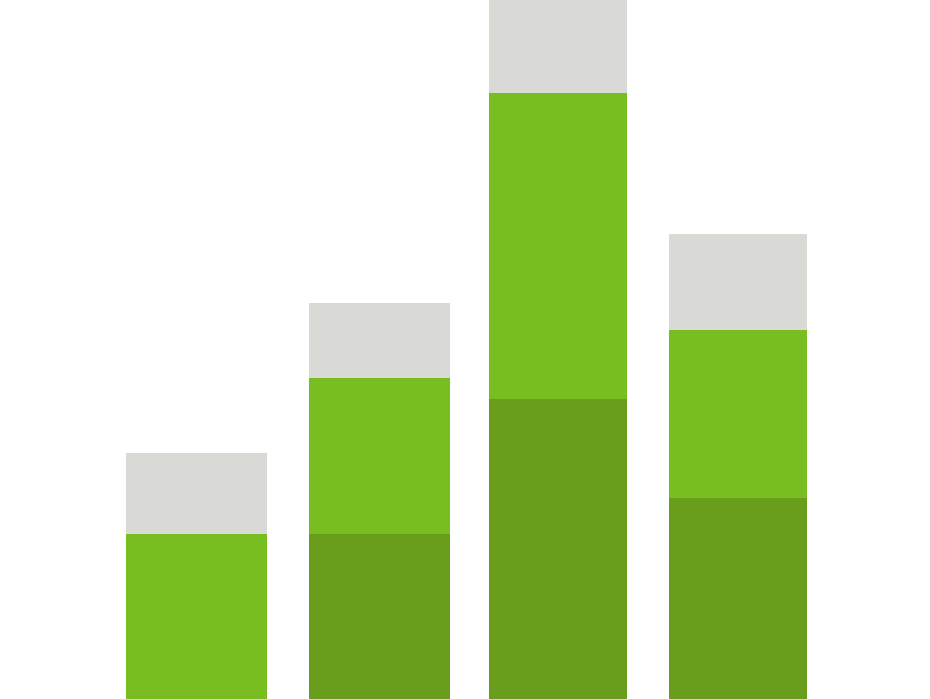
Residents see the forecast of on-site or locally generated solar to know when cheap, clean energy will be available
Enter 24/7 carbon-free energy – the final and most challenging step on the road to decarbonizing our electricity footprint.”
— Google, April 2021
Traceability & 24/7 Accounting
Granular alignment of load with RE production to meet new standards for CO2 commitments
- Turnkey reporting for a portfolio of offtake agreements, grid service & DER usage to meet an overall load footprint
- Expose 24/7 data on energy, financial considerations and CO2 emissions
- Break down energy usage by generation type & specific facilities
- Measure PPA performance against grid service & behind-the-meter resources to inform optimization strategies
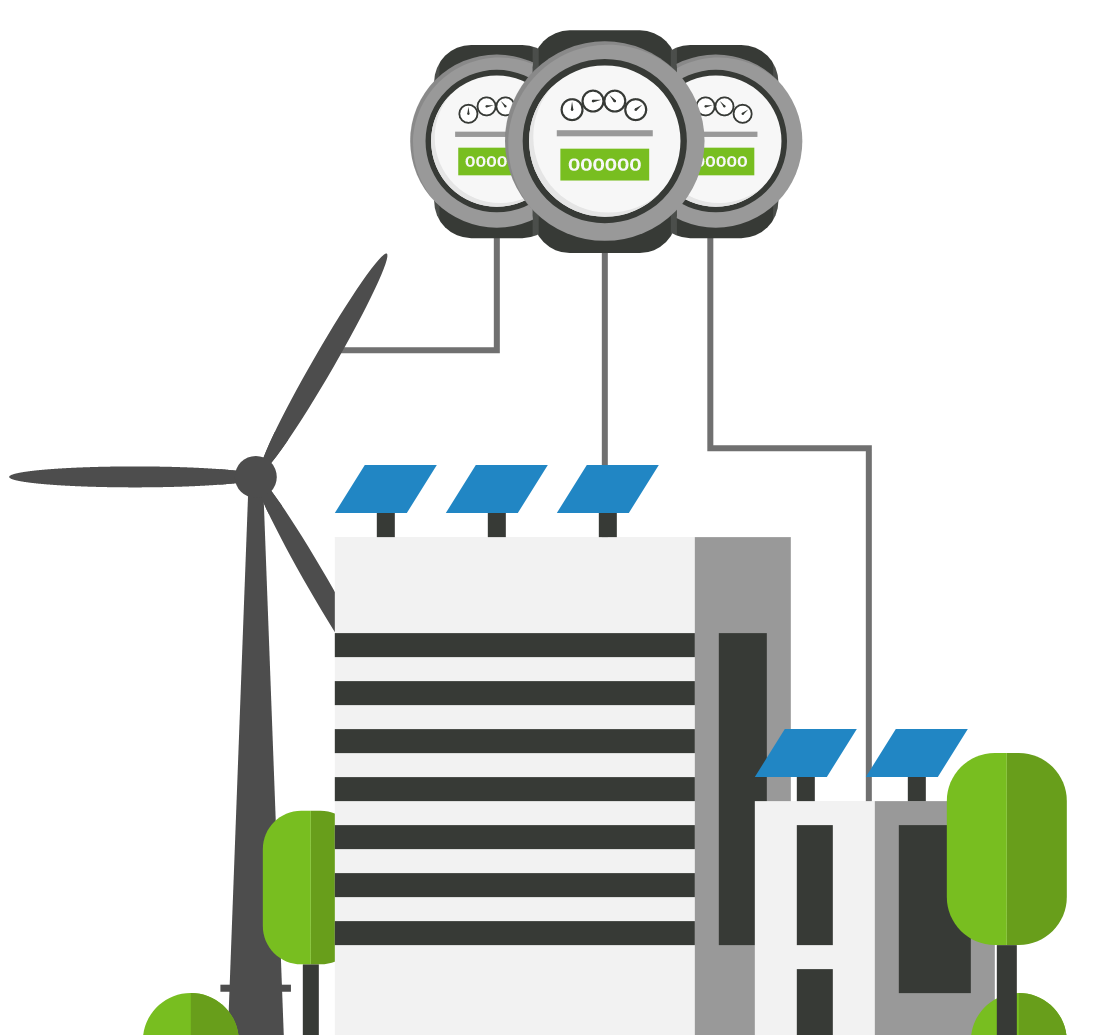



Readings from tenant submeters, building parent meters, and utility interconnections pass through Pandos smart inverter
Meter Data is standardized from multiple sources from a variety of transfer protocals.
View market Results & analytics in the Pando Dashboard with optional UI for residential & less involved commercial customers
There are
~2.8M
net metering customers in the US.
Supporting Dynamic Net Metering (NEM) and Feed-in-Tariff (FiT) Successor Models
Fixed subsidies replaced with more equitable, dynamic PV export compensation models
Many early markets for rooftop solar have sunset traditional subsidy structures. New models are emerging, such as the Smart Export Guarantee (SEG) in the UK and the Feed-in-Premium (FIP) in Japan. In other markets, PV export values are declining. As these markets move to dynamic pricing for PV exports, Pando’s real-time accounting, baselining and forecasting tools can deliver meaningful bottom line efficiencies for suppliers, installers and developers.
Energy Communities
Turnkey offerings to enable new customer aggregations in the EU
- Support local compensation mechanisms for DERs
- Increase customer engagement & acquisition with discounted local renewable products for customers
- Establish transaction management tools for local green electricity
- Define partnerships with municipalities for higher renewable acceptability
- Incentivize collective self-consumption of local resources
— European Commission, December 2020